
The AI Copilot Arrives: Microsoft and RhythmX AI Redefine Healthcare as Autonomous Tech and Global Strategy Shape a New Economic Reality
The global business landscape was electrified today by a landmark collaboration that signals the dawn of a new era in medicine. RhythmX AI announced it is working with Microsoft to deliver hyper-personalized care through the Dragon Copilot, a move that embeds "medical superintelligence" directly into the clinical workflow. This monumental leap in healthcare AI unfolded against a backdrop of significant corporate maneuvering, strong Q3 earnings from financial bellwethers like Truist, and a deepening of global dialogue at the 2nd World Conference on China Studies in Shanghai.
From the high-speed world of autonomous robotaxis to the intricate security demands of Web3, the day's events painted a vivid picture of a world being actively reshaped by the twin engines of Artificial Intelligence and strategic global partnership. While legal scrutiny and market challenges persist, the overwhelming narrative was one of profound technological acceleration and a redrawing of the lines of commerce, health, and international relations.
The Doctor's New Partner: AI Superintelligence Enters the Exam Room
The most transformative news of the day came from the intersection of healthcare and technology, where the theoretical promise of AI in medicine became a concrete reality. The collaboration between RhythmX AI and Microsoft to integrate a precision care platform into the Dragon Copilot is a game-changer for clinicians and patients alike.
Hyper-Personalized Care at Scale
The partnership aims to deliver real-time, clinically validated "medical superintelligence" directly to clinicians at the point of care. This isn't just about streamlining administrative tasks; it's about fundamentally enhancing the diagnostic and treatment process. By analyzing patient data and vast medical knowledge bases in real-time, the platform can:
- Boost Suspected Condition Detection: The AI can identify subtle patterns and risk factors that a human clinician might miss, flagging potential conditions for earlier investigation.
- Deliver Hyper-Personalized Care Plans: Moving beyond one-size-fits-all protocols, the system can suggest tailored treatment pathways based on a patient's unique genetic, lifestyle, and clinical data.
- Increase Access and Efficiency: By automating and augmenting clinical decision-making, the platform promises to free up clinicians' time, allowing them to see more patients and focus on the human aspects of care.
- Provide Immediate Financial Impact: For healthcare systems, the potential to improve diagnostic accuracy, optimize treatment, and increase clinician throughput represents a powerful tool for reducing costs and improving financial performance.
This collaboration is a powerful validation of the "copilot" model for AI, where the technology serves as an intelligent partner, augmenting human expertise rather than replacing it. It marks a significant step toward a future where every clinical decision is informed by the full breadth of medical knowledge, personalized to the individual patient.
The broader health tech landscape is surging in parallel. A new market report from DataM Intelligence projects that the Duchenne Muscular Dystrophy (DMD) Therapeutics Market will surge to $6.6 billion by 2033, driven by the very gene and RNA therapies that rely on the kind of precision data AI can help analyze. This synergy between advanced therapeutics and intelligent platforms is the engine of modern medicine.
The Autonomous Revolution: From Highways to Data Centers
While AI is set to become the doctor's copilot, it's also taking the driver's seat in the transportation and technology sectors. Today saw major advancements in the push for full autonomy, a trend that promises to redefine mobility and infrastructure.
Stellantis and Pony.ai: A Robotaxi Alliance for Europe
Automotive giant Stellantis (parent company of brands like Jeep, Ram, and Peugeot) and autonomous driving leader Pony.ai announced a landmark partnership to advance robotaxi development in Europe. The collaboration will focus on developing and testing SAE Level 4 autonomous vehicles, a designation for systems that can operate without any human intervention under specific conditions.
The partnership will see Pony.ai's advanced autonomous driving technology integrated into Stellantis's new "AV-Ready Platform." This move is a significant acceleration of the robotaxi timeline for the European market and a powerful combination of Pony.ai's software prowess with Stellantis's global manufacturing scale. It signals that the era of driverless taxis is moving from a Silicon Valley experiment to a mainstream global ambition.
The Intelligent Infrastructure of Tomorrow
The drive for autonomy extends beyond vehicles to the very infrastructure that powers our world. At the UBBF 2025 conference in Paris, Huawei unveiled an upgraded AI WAN (Wide Area Network) Solution. With an AI-centric architecture, the solution is designed to help telecommunications carriers build intelligent, self-optimizing networks that can handle the massive data loads of the 5G and AI era.
This focus on intelligent infrastructure was also evident in the defense sector. TriEye, a pioneer in CMOS-based Short-Wave Infrared (SWIR) sensing, unveiled the future of tactical vision at the AUSA Washington conference. Its advanced sensing solutions are designed to give military vehicles unprecedented visibility in all weather and lighting conditions, a critical component for both manned and autonomous operations.
The Global Economic Engine: Strong Earnings, Strategic Deals, and International Dialogue
Against the backdrop of rapid technological change, the traditional economy showed signs of robust health, with strong corporate earnings and a flurry of strategic moves designed to capture future growth.
Financial Sector Strength and Corporate Repositioning
Third-quarter earnings season continued to provide a crucial barometer of economic health. Truist Financial Corporation (NYSE: TFC) reported its Q3 2025 results, providing a key data point on the stability and performance of the U.S. banking sector. These reports are closely watched by investors for insights into consumer spending, loan demand, and the overall economic outlook.
The day was also marked by significant corporate repositioning. Industrial supply giant Grainger (NYSE: GWW) announced a definitive agreement to divest its Cromwell business. This strategic move is part of a plan to focus its portfolio on its core markets in North America and Japan, a classic example of a large corporation optimizing its footprint for greater efficiency and growth. In the semiconductor world, SEMIFIVE, a leading AI ASIC (Application-Specific Integrated Circuit) solution provider, submitted its securities registration for a KOSDAQ listing in South Korea. This move signals the company's readiness to tap public markets to fund its expansion, particularly as it begins mass production of large AI chips.
Deepening Global Connections and Cross-Cultural Understanding
As technology makes the world smaller, the importance of global dialogue and cross-cultural understanding has never been greater. The 2nd World Conference on China Studies opened in Shanghai, gathering approximately 500 distinguished scholars and experts from around the world. This high-level conference serves as a critical platform for fostering a deeper, more nuanced global understanding of China's past, present, and future, promoting intellectual exchange at a time of complex geopolitical dynamics.
This theme of cross-cultural collaboration was also highlighted at the 3rd Shanghai-London Screen Industry Forum, which convened at BAFTA in London. The event brought together key figures from the British and Chinese film and television industries to strengthen creative ties and showcase the power of global storytelling. These forums are essential for building the soft infrastructure of trust and mutual understanding that underpins global commerce and cooperation.
Reshaping Consumer Experiences and Lifestyles
The day's innovations were not confined to the enterprise or the laboratory; they are also actively reshaping how we travel, live, and connect with the world around us.
A New Era of "Intentional Travel"
The post-pandemic travel landscape continues to evolve in fascinating ways. Omio, a leading travel booking platform, released its annual "NowNext '25" report, revealing a new era of "intentional travel." The report identifies several new traveler archetypes that are shaping the next 12 months of travel, including:
- "World of Mouth": Travelers who prioritize authentic recommendations from trusted sources over generic online reviews.
- "Generation Zealous": Younger travelers who are passionate about sustainable and culturally immersive experiences.
- "Travel Thrifties": Budget-conscious explorers who are finding creative ways to see the world without breaking the bank.
This shift towards more mindful and value-driven travel has significant implications for the entire tourism industry, from airlines and hotels to tour operators and local businesses.
The Future of Wellness and Urban Living
The concept of wellness is being integrated into every aspect of modern life. In Boston, Life Time is launching a new era of luxury wellness with the opening of its Urban Athletic Country Club at the iconic Prudential Center. This 60,000-square-foot destination is more than just a gym; it's a "health and social destination" that blends movement, recovery, and community, reflecting a holistic approach to well-being.
This vision of a healthier lifestyle is also taking shape on a grand scale. In Guangzhou, China, the "One Heung Kong" residential project was highlighted at the World Green Design Conference, where it was announced as a new global benchmark for healthy living. These developments show that from individual fitness clubs to entire city districts, the pursuit of a healthier, more balanced life is a powerful global trend.
Conclusion: A World Remade by Intelligence and Strategy
October 17, 2025, was a day that showcased a world being actively and rapidly remade by the powerful forces of Artificial Intelligence and forward-thinking global strategy. The arrival of the AI copilot in the exam room is a profound milestone, promising a future of healthcare that is more precise, personalized, and efficient than ever before. This is not science fiction; it is the new reality being built by companies like Microsoft and RhythmX AI.
This technological acceleration is happening within a complex but resilient global economy. Strong corporate earnings, bold strategic divestments, and massive cross-border partnerships demonstrate that business leaders are not just reacting to change—they are actively shaping it. As nations and industries gather for vital dialogues in Shanghai, London, and beyond, the message is clear: the challenges of our time, from public health to economic stability, require both unprecedented technological innovation and a renewed commitment to global collaboration. The future belongs to those who can master the code of AI while strengthening the human connections that bind our world together.
 2nd World Conference on China Studies opens in Shanghai
SHANGHAI, 5 hours ago
SHANGHAI, Oct. 17, 2025 /PRNewswire/ -- A news report from iQingdao: On October 14, the 2nd World Conference on China Studies was launched in Shanghai, gathering approximately 500 distinguished… New First Presidency Discusses Key Issues and Shares Hopes for the World
SALT LAKE CITY, 6 hours ago
Interview is first conversation of its kind for the new First Presidency SALT LAKE CITY, Oct. 17, 2025 /PRNewswire/ -- The new First Presidency of The Church of Jesus Christ of Latter-day Saints sat… One Heung Kong Leads the Way! New Global Benchmark for Healthy Living Announced
GUANGZHOU, China, 8 minutes ago
GUANGZHOU, China, Oct. 17, 2025 /PRNewswire/ -- On October 14, the 2025 Global Engineering Conference and the first World Green Design Conference opened in Shanghai, China, drawing together over 250… Weekly Recap: 11 Tech Press Releases You Need to See
NEW YORK, 11 minutes ago
A roundup of the most newsworthy tech announcements from PR Newswire this week, including Solidion Technology's new UPS battery system, S&P Global's acquisition of With Intelligence, and a new…- Truist reports third quarter 2025 results
CHARLOTTE, N.C., 13 minutes ago
CHARLOTTE, N.C., Oct. 17, 2025 /PRNewswire/ -- Truist Financial Corporation (NYSE: TFC) reported its third quarter 2025 results today. Investors can access the live third quarter 2025 earnings call… - RhythmX AI Collaborates with Microsoft to Deliver Hyper-Personalized Care Through Dragon Copilot
PALO ALTO, Calif., 13 minutes ago
Precision care platform delivers real-time, clinically validated medical superintelligence to clinicians, boosting access and suspected condition detection with immediate financial impact PALO ALTO,…  BingX Achieves ISO 27001 Certification, Setting the Standard for Web3 Information Security
PANAMA CITY, 13 minutes ago
PANAMA CITY, Oct. 17, 2025 /PRNewswire/ -- BingX, a leading cryptocurrency exchange and Web3 AI company, today announced that it has officially achieved ISO/IEC 27001 certification, an… Omio's annual NowNext '25 report reveals a new era of intentional travel
BERLIN, 13 minutes ago
From 'World of Mouth' and 'Beach Please' to 'Travel Thrifties' and 'Generation Zealous', these are the trends and new traveller types shaping the next 12 months of travel BERLIN, Oct. 17, 2025… Weekly Recap: 14 Health Press Releases You Need to See
NEW YORK, 21 minutes ago
A roundup of the most newsworthy healthcare press releases from PR Newswire this week, including updates in mental health, cancer awareness and the vital importance of washing your hands. NEW YORK,…- Erayak Power Solution Group Inc. Establishes U.S. Subsidiary to Advance Global Expansion and Reinforce Long-Term Growth Strategy
WENZHOU, China, 27 minutes ago
WENZHOU, China, Oct. 17, 2025 /PRNewswire/ -- Erayak Power Solution Group Inc. ("Erayak" or the "Company") (Nasdaq: RAYA), a leading manufacturer and exporter of advanced power solution products,…  Weekly Recap: 13 Consumer Press Releases You Need to See
NEW YORK, 31 minutes ago
A roundup of the most newsworthy consumer and retail announcements from PR Newswire this week, including Target's collection with Woolrich, Wing Wednesday at Pizza Hut and Saks Fifth Avenue's… TUESDAY INVESTOR DEADLINE: C3.ai, Inc. Investors with Substantial Losses Have Opportunity to Lead the C3.ai Class Action Lawsuit - AI
SAN DIEGO, 33 minutes ago
SAN DIEGO, Oct. 17, 2025 /PRNewswire/ -- Robbins Geller Rudman & Dowd LLP announces that the C3.ai class action lawsuit – captioned Liggett v. C3.ai, Inc., No. 25-cv-07129 (N.D. Cal.) – seeks to…- Yiren Digital Strategically Expands into Blockchain Finance and Partners with ChainUp for Platform Development
HONG KONG, 33 minutes ago
HONG KONG, Oct. 17, 2025 /PRNewswire/ -- Yiren Digital Ltd. (NYSE: YRD) ("Yiren Digital" or the "Company"), a leading fintech company specializing in digital consumer lending, insurance and… - Minesto part of Swedish high-level delegation to South Korea
GOTHENBURG, Sweden, 37 minutes ago
GOTHENBURG, Sweden, Oct. 17, 2025 /PRNewswire/ -- This week, leading ocean energy technology developer Minesto was part of a high-level Swedish delegation to South Korea aiming to explore new… - MOH INVESTOR DEADLINE: Molina Healthcare, Inc. Investors with Substantial Losses Have Opportunity to Lead Investor Class Action Lawsuit
SAN DIEGO, 38 minutes ago
SAN DIEGO, Oct. 17, 2025 /PRNewswire/ -- Robbins Geller Rudman & Dowd LLP announces that purchasers or acquirers of Molina Healthcare, Inc. (NYSE: MOH) securities between February 5, 2025 and July…  B2PRIME Accelerates Institutional Expansion with Strategic Hires from iSAM Securities
LIMASSOL, Cyprus, 40 minutes ago
LIMASSOL, Cyprus, Oct. 17, 2025 /PRNewswire/ -- B2PRIME Group, a global financial services provider for institutional and professional clients, has announced the appointment of James Wale and Aaron… 13 Press Releases You Need to See This Week
NEW YORK, 41 minutes ago
Including the Rawlings Gold Glove finalists, 2026 travel expectations, a look at "Adultoween" trends and some of the week's big earnings reports. NEW YORK, Oct. 17, 2025 /PRNewswire/ -- With…- /R E P E A T -- Media Advisory - Minister Anandasangaree to answer questions from media regarding border security and keeping communities safe and visit a port of entry in Southern Ontario/
OTTAWA, ON, 43 minutes ago
OTTAWA, ON, Oct. 16, 2025 /CNW/ - Members of the media are invited to join the Honourable Gary Anandasangaree, Minister of Public Safety for a media availability at a port of entry in Southern… - AEON Expands to Georgia with Local QR-Based Crypto Payments
HONG KONG, 43 minutes ago
HONG KONG, Oct. 17, 2025 /PRNewswire/ -- AEON, the next-generation crypto payment framework, has expanded its Web3 mobile payment solution AEON Pay to support local QR-based crypto checkout in…  Magnesium Oxide (MgO) Market worth $6.31 billion by 2030 - Exclusive Report by MarketsandMarkets™
DELRAY BEACH, Fla., 43 minutes ago
DELRAY BEACH, Fla., Oct. 17, 2025/PRNewswire/ -- The report 'Magnesium Oxide (MgO) Market by Product Type (CCM, DBM, FM), Purity (High, Medium, Low), Source (Natural, Synthetic), Application (Animal… Hyperscale Data Declares Monthly Cash Dividend of $0.2708333 per Share of 13.00% Series D Cumulative Redeemable Perpetual Preferred Stock
LAS VEGAS, 43 minutes ago
Hyperscale Data Also Declares Monthly Cash Dividend of $0.20833 per Share of 10.00% Series E Cumulative Redeemable Perpetual Preferred Stock LAS VEGAS, Oct. 17, 2025 /PRNewswire/ -- Hyperscale Data,…- /R E P E A T --Media advisory - Canada and Manitoba to announce funding for renewable energy initiatives/
WINNIPEG, MB, 43 minutes ago
WINNIPEG, MB, Oct. 16, 2025 /CNW/ - Media representatives are advised that the Honourable Julie Dabrusin, Minister of Environment and Climate Change, and the Honourable Mike Moyes, Minister of… - /R E P E A T --Media advisory - Minister Joly to give address at the Chambre de commerce et d'industrie de Québec/
QUÉBEC, 43 minutes ago
QUÉBEC, Oct. 16, 2025 /CNW/ - The Honourable Mélanie Joly, Minister of Industry and Minister responsible for Canada Economic Development for Quebec Regions, will share her industrial vision for… - GRAINGER ANNOUNCES AGREEMENT TO DIVEST CROMWELL
CHICAGO, 43 minutes ago
Company plans to focus its portfolio on North America and Japan CHICAGO, Oct. 17, 2025 /PRNewswire/ -- Grainger (NYSE: GWW), a leading broad line supplier of maintenance, repair and operating (MRO)…  XAG Receives FAO Global Excellence in Sustainable Plant Production and Protection
ROME, an hour ago
ROME, Oct. 17, 2025 /PRNewswire/ -- In celebration of the 80th anniversary of the Food and Agriculture Organization of the United Nations (FAO) and during the 2025 World Food Forum, XAG was honored… Adhesion Barrier Market 2025-30 Outlook Shows 7.5% CAGR as North America Leads Global Growth, Says Mordor Intelligence
HYDERABAD, India, an hour ago
HYDERABAD, India, Oct. 17, 2025 /PRNewswire/ -- The adhesion barrier market is projected to grow from USD 0.8 billion in 2025 to USD 1.2 billion by 2030, representing a CAGR of 7.5%, according to… Kelun-Biotech's Core product Trastuzumab Botidotin Approved for Marketing by NMPA for HER2-positive BC
CHENGDU, China, an hour ago
CHENGDU, China, Oct. 17, 2025 /PRNewswire/ -- Sichuan Kelun-Biotech Biopharmaceutical Co., Ltd. (the "Company") announced that the Company's human epidermal growth factor receptor 2 (HER2)-directed… SEMIFIVE Submits Securities Registration for KOSDAQ Listing
SEOUL, South Korea, an hour ago
Secures Only 'One-Stop AI ASIC Solution' in Korea and Big-Die Design Capability 2025 Q3 Cumulative Revenue Expected to Surpass KRW 90 Billion; Large AI Chip Mass Production Begins, Growth to… Bybit to List ZEROBASE (ZBT) on Spot
DUBAI, UAE, an hour ago
DUBAI, UAE, Oct. 17, 2025 /PRNewswire/ -- Bybit, the world's second-largest cryptocurrency exchange by trading volume, announced the listing schedule of ZEROBASE (ZBT) on Bybit Spot, together with… Huawei Unveils Upgraded AI WAN Solution with AI-Centric Architecture to Boost Carrier Growth
PARIS, an hour ago
PARIS, Oct. 17, 2025 /PRNewswire/ -- Themed "Thrive with Net5.5G for All Intelligence," the Net5.5G Intelligent IP Network Summit was held during UBBF 2025 in Paris on October 14. Huawei introduced… Life Time Launches a New Era of Luxury Wellness at Iconic Prudential Center with October 17 Opening of Urban Athletic Country Club
BOSTON, 2 hours ago
60,000-square-foot ultimate health and social destination brings Life Time's signature blend of movement, connection, recovery and rejuvenation in its first downtown Boston location BOSTON, Oct. 17,… Rebecca Rau Jewels Unveils the THEN & NOW Collection, a Fusion of Ancient Artifacts and Modern Adornment
NEW YORK, 2 hours ago
A rare collection blending rare ancient artifacts with modern gemstones previews at M.S. Rau in New Orleans, followed by an exclusive NYC Jewelry Week collection launch. NEW YORK, Oct. 20, 2025…- Parental Control App (2025): Qustodio Awarded Top Parental Control Solution in Report by Expert Consumers
NEW YORK, 2 hours ago
NEW YORK, Oct. 17, 2025 /PRNewswire/ -- Expert Consumers has announced the results of its latest evaluation of parental control apps. After reviewing leading platforms on performance, usability, and… - NEW ORIENTAL EDUCATION & TECHNOLOGY GROUP INC. TO HOLD ANNUAL GENERAL MEETING ON NOVEMBER 21, 2025
BEIJING, 2 hours ago
BEIJING, Oct. 17, 2025 /PRNewswire/ -- New Oriental Education & Technology Group Inc. (the "Company" or "New Oriental") (NYSE: EDU and SEHK: 9901), a provider of private educational services in… - Salama Shareholders Approve Landmark Capital Restructuring to Strengthen Solvency and Regulatory Capital Position
Dubai, UAE, 2 hours ago
Shareholders approve capital reduction to offset accumulated losses and cancel treasury shares during the General Assembly held on 16 October 2025 Following completion, and subject to final… - TriEye Unveils the Future of Tactical Vision at AUSA Washington
WASHINGTON, 2 hours ago
WASHINGTON, Oct. 17, 2025 /PRNewswire/ -- In a significant leap for military vehicle technology, TriEye, the pioneer of the world's first CMOS-based Short-Wave Infrared (SWIR) sensing solutions,…  Duchenne Muscular Dystrophy Therapeutics Market Surges Toward $6.6B by 2033 as Gene and RNA Therapies Redefine Treatment Paradigm | by DataM Intelligence
AUSTIN, Texas and TOKYO, 2 hours ago
AUSTIN, Texas and TOKYO, Oct. 17, 2025 /PRNewswire/ -- The GlobalDuchenne Muscular Dystrophy (DMD) Therapeutics Market Size was valued at US $2.19 billion in 2024, it is projected to surge to US… The 138th Canton Fair Opens with Emphasis on Innovation, Intelligence, and Sustainability
GUANGZHOU, China, 2 hours ago
GUANGZHOU, China, Oct. 17, 2025 /PRNewswire/ -- On October 15, the 138th China Import and Export Fair (Canton Fair) officially opened in Guangzhou. With more than 240,000 buyers from 218 markets… Florida Climate Week™ 2025 Drove Climate Action Statewide
PALM BEACH, Fla., 3 hours ago
Over 80 free events, 1,800 participants, and 18 local proclamations marked a week of collaboration, education, and solutions led by VoLo Foundation PALM BEACH, Fla., Oct. 17, 2025… Shanghai-London Screen Industry Forum Returns for Third Edition, Strengthening Sino-British Creative Ties and Showcasing Global Storytelling
LONDON, 3 hours ago
LONDON, Oct. 17, 2025 /PRNewswire/ -- Following two successful previous gatherings, the 3rd Shanghai-London Screen Industry Forum convened at BAFTA in London today. The event brought together key…- Stellantis and Pony.ai Partner to Advance Robotaxi Development in Europe
AMSTERDAM and LUXEMBOURG, 3 hours ago
Stellantis and Pony.ai will jointly develop and test SAE Level 4 (hands-off, eyes-off) autonomous vehicles, integrating Stellantis' AV-Ready Platform with Pony.ai's autonomous driving technology.…  Tomorrowland 2025: Overcoming Adversity with Unity
SHENZHEN, China, 3 hours ago
SHENZHEN, China, Oct. 17, 2025 /PRNewswire/ -- Tomorrowland is more than just a music festival - it's a global gathering where hundreds of thousands of "People of Tomorrow" return to Boom, Belgium… SIMAGIC at SimRacing Expo 2025: A Triple Reveal
DORTMUND, Germany, 4 hours ago
SIMAGIC Showcases Next-Generation Simulation at SimRacing Expo 2025 October 17–19, 2025 | Hall 3, Booth BC6 | Messe Dortmund, Germany DORTMUND, Germany, Oct. 17, 2025 /PRNewswire/ -- SIMAGIC, a… Monport Treats Creators to Spooktacular Halloween Deals on Laser Engraving Machines
NEW YORK, 5 hours ago
NEW YORK, Oct. 17, 2025 /PRNewswire/ -- As the Halloween season approaches, creators and small manufacturers are finding new ways to merge artistry with technology. This year, laser engraving… Pearson 2025 Nine Month Trading Update (Unaudited)
LONDON, 5 hours ago
Continued execution against our strategic priorities; on track to deliver on 2025 market expectations 1 with clear drivers for stronger growth in Q4. LONDON, Oct. 17 2025 /PRNewswire/ -- Highlights- Renalys Pharma Reaches Japan PMDA Agreement on Phase III Clinical Trials of Sparsentan for Focal Segmental Glomerulosclerosis (FSGS) and Alport Syndrome (AS)
TOKYO, 5 hours ago
TOKYO, Oct. 17, 2025 /PRNewswire/ -- Renalys Pharma, Inc. (Headquarters: Chuo-ku, Tokyo; "Renalys") today announced that it has reached an agreement with the Pharmaceuticals and Medical Devices…  Julius Meinl Introduces Industrially Compostable Capsules to Award-Winning Organic Fairtrade Line at HostMilano
VIENNA, 5 hours ago
VIENNA, Oct. 17, 2025 /PRNewswire/ -- Premium coffee brand Julius Meinl has expanded its double-certified The Originals Bio Fairtrade line for the hospitality sector with the launch of industrially… Roma Proclaim Sovereign Non-Territorial State in Haarlem
HAARLEM, Netherlands, 5 hours ago
HAARLEM, Netherlands, Oct. 17, 2025 /PRNewswire/ -- For the first time in history, representatives of Roma tribes have united diplomatically to establish their own Sovereign Non-Territorial Roma…- Volvo Group - the third quarter 2025
GOTHENBURG, Sweden, 5 hours ago
GOTHENBURG, Sweden, Oct. 17, 2025 /PRNewswire/ -- "In Q3 2025, the Volvo Group's net sales increased in Europe, while more difficult market conditions in North America and South America impacted…  FDA approves expanded pediatric indications for YUFLYMA® (adalimumab-aaty) and unbranded adalimumab-aaty in the United States
INCHEON, South Korea, 5 hours ago
YUFLYMA® (adalimumab-aaty), and its unbranded version, are now approved for two additional pediatric indications – adolescent hidradenitis suppurativa (HS) and pediatric uveitis (UV), in the U.S.… SINA Investors Have Opportunity to Lead Sina Corporation Securities Fraud Lawsuit
NEW YORK, 6 hours ago
NEW YORK, Oct. 17, 2025 /PRNewswire/ -- Why: Rosen Law Firm, a global investor rights law firm, reminds sellers of ordinary shares, including those that sold into the Merger of Sina Corporation… Yiwu Global Digital Trade Center Opens, Setting Worldwide Digital Commerce Benchmark
YIWU, China, 6 hours ago
YIWU, China, Oct. 17, 2025 /PRNewswire/ -- Yiwu Global Digital Trade Center, flagship project of the city's sixth-generation market, officially opened on Oct. 14. The launch completes the market's… Dietary Fiber Gummies Market to Reach USD 13.44 billion by 2032, Growing At An 11.2% CAGR - Credence Research
PUNE, India, Fri, Oct 17 2025 01:30
PUNE, India, Oct. 17, 2025 /PRNewswire/ -- Market Overview The dietary fiber gummies market is experiencing remarkable growth, driven by increasing health consciousness, rising digestive health…- Industrial Gases Market to Reach USD 195.36 Billion by 2032, Growing At An 7.44% CAGR - Credence Research
PUNE, India, Fri, Oct 17 2025 01:28
PUNE, India, Oct. 17, 2025 /PRNewswire/ -- Market Overview The global industrial gases market is experiencing substantial growth, driven by expanding manufacturing activities, technological…  Introducing the Cognizant Enterprise Vibe Coding Blueprint: Services to Help Clients Accelerate AI-First Transformation
TEANECK, N.J., Fri, Oct 17 2025 01:01
New suite of services packages insights, playbooks and IP used in Cognizant's record-setting vibe coding event to enable enterprises to embrace AI-assisted prototyping, spark innovation and drive… U.S. News & World Report Announces the 2026 Best Insurance Companies for Medicare Advantage and Part D
WASHINGTON, Fri, Oct 17 2025 01:01
New independent ratings, evaluated using 37 quality measures, empower beneficiaries to navigate the rapidly evolving Medicare landscape during annual Open Enrollment. WASHINGTON, Oct. 17, 2025… SHAREHOLDER RIGHTS ALERT: Halper Sadeh LLC Investigates DAY, AL, PBBK, CCRD on Behalf of Shareholders
NEW YORK, Fri, Oct 17 2025 00:59
NEW YORK, Oct. 16, 2025 /PRNewswire/ -- Halper Sadeh LLC, an investor rights law firm, is investigating the following companies for potential violations of the federal securities laws and/or…- SHAREHOLDER RIGHTS ALERT: Halper Sadeh LLC Investigates SWKH, ETNB, BRNS, VRNT on Behalf of Shareholders
NEW YORK, Fri, Oct 17 2025 00:58
NEW YORK, Oct. 16, 2025 /PRNewswire/ -- Halper Sadeh LLC, an investor rights law firm, is investigating the following companies for potential violations of the federal securities laws and/or…  GAC Debuts at the 138th Canton Fair, Showcasing Technology and Culture as the Dual Engine Driving Global Expansion
GUANGZHOU, China, Fri, Oct 17 2025 00:25
GUANGZHOU, China, Oct. 16, 2025 /PRNewswire/ -- On October 15, the 138th Canton Fair opened in a grand ceremony in Guangzhou. Under the theme "Where Craft Meets Technology," GAC made a strong…- Wang Qunbin: Innovation-Driven, Fosun's Path to Globalization
HONG KONG, Fri, Oct 17 2025 00:13
HONG KONG, Oct. 16, 2025 /PRNewswire/ -- On 16 October, the 2025 Sustainability Global Leaders Conference was held in Shanghai. Themed "Joining Hands to Address Challenges: Global Action,…  GrantWatch: The Lifeline Nonprofits Are Turning to During the 2025 Government Shutdown
BOYNTON BEACH, Fla., Fri, Oct 17 2025 00:11
With programs stalled and staff in limbo, GrantWatch offers a critical lifeline — connecting nonprofits to thousands of foundation and private grants when government aid halts. BOYNTON BEACH, Fla.,… Beaulieu Canada to Submit a Comprehensive Offer for a Quick Resolution to the Conflict
ACTON VALE, QC, Thu, Oct 16 2025 23:45
ACTON VALE, QC, Oct. 16, 2025 /CNW/ - At the meeting held on October 16, 2025, Beaulieu Canada informed the union that it will be submitting a comprehensive offer to the UES 800 unionized employees.… Driven Tech Honored as a CRN Triple Crown Award Winner for 2025
NEW YORK, Thu, Oct 16 2025 23:25
NEW YORK, Oct. 16, 2025 /PRNewswire/ -- Driven Tech Inc., DBA Driven Technologies, has announced that CRN, a brand of The Channel Company, has named Driven a 2025 Triple Crown Award winner. This…- Bank First Corporation Receives Regulatory Approval to Acquire Centre 1 Bancorp, Inc.
MANITOWOC, Wis, Thu, Oct 16 2025 22:43
MANITOWOC, Wis,, Oct. 16, 2025 /PRNewswire/ -- Bank First Corporation (Nasdaq: BFC) ("Bank First"), the holding company of Bank First, N.A., announced today that it has received all required…  Sagora Senior Living Expands Portfolio with the Addition of Wilshire Senior Living in Burleson, Texas
BURLESON, Texas, Thu, Oct 16 2025 22:30
BURLESON, Texas, Oct. 16, 2025 /PRNewswire/ -- Sagora Senior Living is proud to announce the addition of Wilshire Senior Living in Burleson, Texas, to its impressive and growing portfolio of senior… Kaimore's VITA Program Returns Nearly One Million Dollars to Working Families
LOS ANGELES, Thu, Oct 16 2025 22:00
Free tax assistance transforms lives through financial empowerment and community care LOS ANGELES, Oct. 16, 2025 /PRNewswire/ -- This tax season, Kaimore's Volunteer Income Tax Assistance (VITA)… QuidelOrtho Showcases Leadership in Transfusion Medicine at AABB 2025
SAN DIEGO, Thu, Oct 16 2025 21:30
FDA-approved MTS™ DAT Card and advanced ORTHO VISION™ Platform highlight the company's continued leadership in transfusion medicine SAN DIEGO, Oct. 16, 2025 /PRNewswire/ -- QuidelOrtho Corporation…- Media Advisory - Friday, October 17, 2025
OTTAWA, ON, Thu, Oct 16 2025 21:14
OTTAWA, ON, Oct. 16, 2025 /CNW/ - Note: All times local Niagara Region, Ontario 11:15 a.m. The Prime Minister will tour a border crossing facility. He will be joined by the Minister of Public…  HOLEY MOLEY GOLF CLUB AND THE FIRST-EVER U.S. LOCATION OF HIJINX HOTEL COMING SOON TO IRVINE SPECTRUM CENTER
IRVINE, Calif., Thu, Oct 16 2025 21:09
Bookings are live November 12 for the thematic mini golf venue and interactive challenge room experience IRVINE, Calif., Oct. 16, 2025 /PRNewswire/ -- Known globally as the premier creator of…- Iskut Band celebrates grand opening of new Łuwechōn Kots'ede'i Kime School - Łuwechon House of Learning, expanding education opportunities for youth
ISKUT, TAHLTAN TERRITORY, BC, Thu, Oct 16 2025 21:00
ISKUT, TAHLTAN TERRITORY, BC, Oct. 16, 2025 /CNW/ - The Iskut Band held a grand opening ceremony today for their new school, now called Łuwechōn Kots'ede'i Kime, which translates to Łuwechōn House… 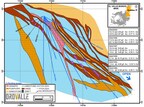 ORVANA REPORTS Q4 FY2025 PRODUCTION AND EXPLORATION RESULTS FROM OROVALLE, SPAIN
TORONTO, Thu, Oct 16 2025 21:00
TSX:ORV TORONTO, Oct. 16, 2025 /PRNewswire/ - Orvana Minerals Corp. (TSX: ORV) (the "Company" or "Orvana") is pleased to report production and exploration updates for the fourth quarter of fiscal…- Pistachio bar recalled due to Salmonella
OTTAWA, ON, Thu, Oct 16 2025 20:36
OTTAWA, ON, Oct. 16, 2025 /CNW/ - Product: Pistachio BarIssue: Food - Microbial contamination – SalmonellaDistribution: Ontario See the affected products and product photos for this recall SOURCE…  INVESTOR ACTION NOTICE: Moore Law PLLC Encourages Investors in Hertz Global Holdings Inc. to Contact Law Firm
NEW YORK, Thu, Oct 16 2025 20:23
NEW YORK, Oct. 16, 2025 /PRNewswire/ -- Moore Law, PLLC, a shareholder litigation law firm located on Wall Street, is investigating potential claims against the officers and directors of Hertz… LifeMD Deadline: LFMD Investors Have Opportunity to Lead LifeMD, Inc. Securities Fraud Lawsuit First Filed by The Rosen Law Firm
NEW YORK, Thu, Oct 16 2025 20:22
NEW YORK, Oct. 16, 2025 /PRNewswire/ -- Why: Rosen Law Firm, a global investor rights law firm, reminds purchasers of securities of LifeMD, Inc. (NASDAQ: LFMD) between May 7, 2025 and August 5,…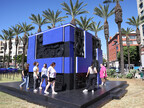 LEGO® Code Break Lands in San Diego with First-of-its-Kind Adventure to Unite and Build Upon Gaming Fandoms
SAN DIEGO, Thu, Oct 16 2025 20:17
A massive LEGO vault arrives in San Diego's Gaslamp Quarter, challenging players nationwide to crack the code, uncover hidden prizes and celebrate the universes that define modern gaming SAN DIEGO,… Renewal of Tecsys' Executive Chairman's Automatic Securities Disposition Plan
MONTREAL, Thu, Oct 16 2025 20:14
MONTREAL, Oct. 16, 2025 /CNW/ - Tecsys Inc. (TSX: TCS), (the "Corporation"), announces that the executive chairman of the board of directors of the Corporation, Dave Brereton, together with his…- FFIV INVESTIGATION ALERT: Investigation Launched into F5, Inc., Attorneys Encourage Investors and Potential Witnesses to Contact Law Firm
SAN DIEGO, Thu, Oct 16 2025 20:05
SAN DIEGO, Oct. 16, 2025 /PRNewswire/ -- Robbins Geller Rudman & Dowd LLP is investigating potential violations of U.S. federal securities laws involving F5, Inc. (NASDAQ: FFIV) focused on whether…  The Rocky Mount Event Center Ranked Among Top Venues Worldwide in 2025 Stella Awards
ROCKY MOUNT, N.C., Thu, Oct 16 2025 19:55
Celebrating Award-Winning Excellence ROCKY MOUNT, N.C., Oct. 16, 2025 /PRNewswire/ -- Excellence isn't something you achieve once — it's something you deliver every single day. At the Rocky Mount…- FTNT Investors Have Opportunity to Lead Fortinet, Inc. Securities Fraud Lawsuit
NEW YORK, Thu, Oct 16 2025 19:44
NEW YORK, Oct. 16, 2025 /PRNewswire/ -- Why: Rosen Law Firm, a global investor rights law firm, reminds purchasers of common stock of Fortinet, Inc. (NASDAQ: FTNT) between November 8, 2024 and…  Jackpot.com's, Akshay Khanna, Honored by Goldman Sachs for Entrepreneurship
SAN FRANCISCO, Thu, Oct 16 2025 19:38
SAN FRANCISCO, Oct. 16, 2025 /PRNewswire/ -- Today, Goldman Sachs (NYSE:GS) is recognizing Jackpot.com CEO, Akshay Khanna, as one of the Most Exceptional Entrepreneurs of 2025 at its Builders and…- Media advisory - Minister Joly to give address at the Chambre de commerce et d'industrie de Québec
QUÉBEC, Thu, Oct 16 2025 19:36
QUÉBEC, Oct. 16, 2025 /CNW/ - The Honourable Mélanie Joly, Minister of Industry and Minister responsible for Canada Economic Development for Quebec Regions, will share her industrial vision for… - Uranium Royalty Announces Voting Results
VANCOUVER, BC, Thu, Oct 16 2025 19:35
DESIGNATED NEWS RELEASE VANCOUVER, BC, Oct. 16, 2025 /PRNewswire/ - Uranium Royalty Corp. (NASDAQ: UROY) (TSX: URC) ("URC" or the "Company") is pleased to announce that at its annual general meeting… - Mike Maroone Ford Longmont Partners with Monarch High School Girls Softball Program for Ford Drive 4 UR Community Fundraiser
LOUISVILLE, Colo., Thu, Oct 16 2025 19:18
LOUISVILLE, Colo., Oct. 16, 2025 /PRNewswire/ -- Mike Maroone Ford Longmont is proud to sponsor a Ford Drive 4 UR Community fundraising event benefiting the Monarch High School Girls Softball…  Revere Control Systems Honored with Groundbreaker Award in Birmingham Business Journal's 2025 Manufacturing Awards
HOOVER, Ala., Thu, Oct 16 2025 19:04
HOOVER, Ala., Oct. 16, 2025 /PRNewswire/ -- Revere Control Systems, part of SJE, Inc., has received the Groundbreaker Award as part of the Birmingham Business Journal's 2025 Manufacturing Awards,…- Court Sides with PARRIS Law Firm, Calls Edison's Motion "Frivolous" in Consumer Billing Lawsuit
LANCASTER, Calif., Thu, Oct 16 2025 19:01
LANCASTER, Calif., Oct. 16, 2025 /PRNewswire/ -- The Daily Journal has spotlighted PARRIS Law Firm's recent victories in Wellman v. Southern California Edison Company, where Superior Court Judge…  PubMatic, Inc. (PUBM) Investors Who Lost Money Have Opportunity to Lead Securities Fraud Lawsuit
LOS ANGELES, Thu, Oct 16 2025 18:57
LOS ANGELES, Oct. 16, 2025 /PRNewswire/ -- Glancy Prongay & Murray LLP announces that investors with losses have opportunity to lead the securities fraud class action lawsuit against PubMatic, Inc.…- /CANCELLED -- Media advisory - Minister Fraser to co-host the FPT Ministers Responsible for Justice and Public Safety Meeting/
OTTAWA, ON, Thu, Oct 16 2025 18:52
OTTAWA, ON, Oct. 14, 2025 /CNW/ - The Honourable Sean Fraser, Minister of Justice and Attorney General of Canada and the Honourable Ruby Sahota, Secretary of State for Combatting Crime, will co-host… - Quanex Building Products Corporation (NX) Shareholders Investors Who Lost Money Have Opportunity to Lead Securities Fraud Lawsuit
LOS ANGELES, Thu, Oct 16 2025 18:52
LOS ANGELES, Oct. 16, 2025 /PRNewswire/ -- Glancy Prongay & Murray LLP announces that investors with losses have opportunity to lead the securities fraud class action lawsuit against Quanex Building… - Snap Inc. (SNAP) Shareholders Who Lost Money Have Opportunity to Lead Securities Fraud Lawsuit
BENSALEM, Pa., Thu, Oct 16 2025 18:51
BENSALEM, Pa., Oct. 16, 2025 /PRNewswire/ -- The Law Offices of Howard G. Smith announces that investors with substantial losses have opportunity to lead the securities fraud class action lawsuit… - Fluor Corporation (FLR) Shareholders Who Lost Money Have Opportunity to Lead Securities Fraud Lawsuit
BENSALEM, Pa., Thu, Oct 16 2025 18:43
BENSALEM, Pa., Oct. 16, 2025 /PRNewswire/ -- The Law Offices of Howard G. Smith announces that investors with substantial losses have opportunity to lead the securities fraud class action lawsuit…  Berger Montague PC Investigating Claims on Behalf of MoonLake Immunotherapeutics (NASDAQ: MLTX) Investors After Class Action Filing
PHILADELPHIA, Thu, Oct 16 2025 18:36
PHILADELPHIA, Oct. 16, 2025 /PRNewswire/ -- National plaintiffs' law firm Berger Montague PC announces a class action lawsuit against MoonLake Immunotherapeutics (NASDAQ: MLTX) ("MoonLake" or the… Indolent Lymphoma Market Experiences Significant Growth Amid Evolving Therapeutic Landscape | DelveInsight
LAS VEGAS, Thu, Oct 16 2025 18:31
The indolent lymphoma market is witnessing steady growth driven by the increasing prevalence of slow-growing non-Hodgkin lymphomas and rising awareness about early diagnosis. Additionally, the… SHAREHOLDER ALERT: The M&A Class Action Firm Announces An Investigation of Electronic Systems Technology, Inc. (OTCMKTS: ELST)
NEW YORK, Thu, Oct 16 2025 18:30
NEW YORK, Oct. 16, 2025 /PRNewswire/ -- Class Action Attorney Juan Monteverde with Monteverde & Associates PC (the "M&A Class Action Firm"), has recovered millions of dollars for shareholders and is…- $HAREHOLDER ALERT: The M&A Class Action Firm Announces An Investigation of TrueCar, Inc. (NASDAQ: TRUE)
NEW YORK, Thu, Oct 16 2025 18:30
NEW YORK, Oct. 16, 2025 /PRNewswire/ -- Class Action Attorney Juan Monteverde with Monteverde & Associates PC (the "M&A Class Action Firm"), has recovered millions of dollars for shareholders and is…  The Inner Circle acknowledges, Richard C. Larson, PhD, as a 2025 Life Achiever
CAMBRIDGE, Mass., Thu, Oct 16 2025 18:24
CAMBRIDGE, Mass., Oct. 16, 2025 /PRNewswire/ -- Prominently featured in The Inner Circle, Richard C. Larson, PhD is acknowledged as a 2025 Life Achiever for his contributions to Innovating in…- Media Advisory - Minister Anandasangaree to answer questions from media regarding border security and keeping communities safe and visit a port of entry in Southern Ontario
OTTAWA, ON, Thu, Oct 16 2025 18:24
OTTAWA, ON, Oct. 16, 2025 /CNW/ - Members of the media are invited to join the Honourable Gary Anandasangaree, Minister of Public Safety for a media availability at a port of entry in Southern…  The Inner Circle acknowledges, Courtney Rollings Latham, M.Ed, BCBA as a Pinnacle Professional Member Inner Circle of Excellence
JACKSONVILLE, Fla., Thu, Oct 16 2025 18:24
JACKSONVILLE, Fla., Oct. 16, 2025 /PRNewswire/ -- Prominently featured in The Inner Circle, Courtney Rollings Latham, M.Ed, BCBA is recognized as a Pinnacle Professional Member Inner Circle of… The Inner Circle acknowledges, Mark Einhaus as a Pinnacle Professional Member
WEST BLOOMFIELD, Mich., Thu, Oct 16 2025 18:24
WEST BLOOMFIELD, Mich., Oct. 16, 2025 /PRNewswire/ -- Prominently featured in The Inner Circle, Mark Einhaus is acknowledged as a Pinnacle Professional Member Inner Circle of Excellence for his… GO RESIDENTIAL REIT ANNOUNCES ACCRETIVE REFINANCING OF ONE EAST RIVER PLACE, UNLOCKING ADDITIONAL LIQUIDITY
TORONTO, Thu, Oct 16 2025 18:20
TORONTO, Oct. 16, 2025 /CNW/ - GO Residential Real Estate Investment Trust (the "REIT") (TSX: GO.U) is pleased to announce that it has successfully completed an accretive refinancing of One East… Kumo Wins Fast Company's Next Big Things in Tech Award for Advancing AI on Enterprise Data
MOUNTAIN VIEW, Calif., Thu, Oct 16 2025 18:15
Fast Company's list celebrates innovations making a difference in the way we work and live. MOUNTAIN VIEW, Calif., Oct. 16, 2025 /PRNewswire/ -- Kumo, a leader in predictive AI, today announced that…


Nenhum comentário