
ESMO 2025 Shocker: Cadonilimab Achieves Significant Overall Survival Benefit in First-Line Advanced Gastric Cancer
The fight against advanced gastric cancer, a notoriously difficult-to-treat malignancy, has seen incremental progress over the years. However, truly game-changing advancements in first-line therapy have remained elusive. Today, at the prestigious European Society for Medical Oncology (ESMO) Congress 2025, Akeso Inc. unveiled final analysis results from the COMPASSION-15/AK104-302 study that could mark a pivotal moment in the treatment landscape. The data reveals a Significant OS Benefit with Cadonilimab in First-Line Advanced Gastric Cancer, offering new hope for patients facing this challenging diagnosis.
Presented on October 19, 2025, these findings position Cadonilimab, Akeso's novel PD-1/CTLA-4 bi-specific antibody, as a potentially practice-changing immunotherapy agent in this setting. The achievement of a statistically significant improvement in Overall Survival (OS) – the gold standard endpoint in oncology trials – is a major milestone, suggesting Cadonilimab could soon become a new cornerstone of first-line treatment for gastric or gastroesophageal junction (G/GEJ) adenocarcinoma.
This article will delve into the details of the COMPASSION-15 study, the unique mechanism of Cadonilimab, and the profound implications these final analysis results hold for patients and clinicians battling advanced gastric cancer.
The Unmet Need: The Challenge of Treating Advanced Gastric Cancer
Gastric cancer remains a major global health concern, often diagnosed at an advanced stage where curative options are limited. For decades, the standard first-line treatment for advanced or metastatic G/GEJ adenocarcinoma has revolved around platinum-based chemotherapy, often combined with fluoropyrimidines.
While the addition of checkpoint inhibitors targeting PD-1 (like nivolumab or pembrolizumab) has improved outcomes for some patients (particularly those whose tumors express PD-L1), a large proportion still experience disease progression and ultimately succumb to the disease. There is a pressing need for novel therapeutic strategies that can offer more substantial and durable survival benefits across a broader patient population.
This is the context into which Akeso introduced Cadonilimab, aiming to overcome the limitations of existing therapies by simultaneously targeting two crucial immune checkpoints.
Cadonilimab: A Novel Bi-Specific Approach to Immunotherapy
Cadonilimab (AK104) is not just another PD-1 inhibitor. It's an innovative bi-specific antibody designed to concurrently block both the PD-1 (Programmed cell death protein 1) and CTLA-4 (Cytotoxic T-lymphocyte-associated protein 4) immune checkpoints.
- How it Works:
- PD-1 Blockade: Many cancer cells express PD-L1, a ligand that binds to PD-1 receptors on T-cells (the immune system's soldiers), effectively putting the brakes on the immune response against the tumor. Blocking PD-1 releases these brakes, allowing T-cells to attack the cancer.
- CTLA-4 Blockade: CTLA-4 is another inhibitory receptor found on T-cells that acts earlier in the immune activation process, primarily in the lymph nodes. Blocking CTLA-4 helps to "prime" more T-cells to recognize and fight the cancer.
By targeting both pathways simultaneously with a single molecule, Cadonilimab aims to deliver a more potent and comprehensive activation of the anti-tumor immune response compared to targeting either pathway alone or using separate PD-1 and CTLA-4 inhibitors (which can increase toxicity). Akeso's design also incorporates modifications intended to enhance safety compared to traditional combination therapies.
The COMPASSION-15 Study: Design and Final Analysis Highlights
The COMPASSION-15 study (also known as AK104-302) was a Phase III, randomized, double-blind, placebo-controlled clinical trial designed to evaluate the efficacy and safety of Cadonilimab in combination with standard chemotherapy (CAPOX - capecitabine and oxaliplatin) versus chemotherapy plus placebo as a first-line treatment for patients with unresectable locally advanced or metastatic G/GEJ adenocarcinoma.
Key Findings Presented at ESMO 2025 (Final Analysis):
- Significant Overall Survival (OS) Benefit: The study met its primary endpoint, demonstrating a statistically significant and clinically meaningful improvement in OS for patients receiving Cadonilimab plus chemotherapy compared to those receiving chemotherapy alone. While specific hazard ratios and median OS figures are crucial details from the presentation itself, the top-line announcement of a "Significant OS Benefit" is the major takeaway.
- Progression-Free Survival (PFS) Benefit: Previous interim analyses likely showed benefits in PFS (the time until the cancer progresses or the patient dies), and the final analysis would confirm or further detail these findings.
- Objective Response Rate (ORR): The percentage of patients whose tumors shrank significantly in response to treatment was likely higher in the Cadonilimab arm.
- Safety Profile: The final analysis provided comprehensive data on the safety and tolerability of the Cadonilimab combination. While combining immunotherapies can increase the risk of immune-related adverse events, Akeso designed Cadonilimab aiming for a manageable safety profile compared to dual checkpoint inhibitor combinations. The ESMO presentation detailed the incidence and severity of side effects.
Achieving a significant OS benefit in the rigorous setting of a Phase III trial is a high bar in oncology, particularly in the challenging first-line gastric cancer space. These results strongly suggest that the dual blockade strategy offered by Cadonilimab provides a superior therapeutic effect compared to chemotherapy alone.
Implications for Clinical Practice: A Potential New Standard of Care?
The final analysis results from COMPASSION-15 presented at ESMO 2025 carry profound implications:
A New First-Line Option: If these results lead to regulatory approvals (e.g., by the FDA, EMA, and other health authorities), Cadonilimab in combination with chemotherapy could become a new standard of care for previously untreated advanced or metastatic G/GEJ adenocarcinoma, potentially replacing or offering an alternative to current chemotherapy +/- PD-1 inhibitor regimens.
Broader Patient Benefit? A key question arising from the data is whether the benefit of Cadonilimab extends across different patient subgroups, including those with low or negative PD-L1 expression, who typically derive less benefit from single-agent PD-1 inhibitors. If Cadonilimab shows efficacy regardless of PD-L1 status, it could represent a significant advantage.
Validation of the Bi-Specific Approach: These results provide strong clinical validation for the concept of dual PD-1/CTLA-4 blockade using a single bi-specific antibody, potentially paving the way for similar approaches in other cancer types.
Hope for Patients: Most importantly, a significant improvement in overall survival offers tangible hope for longer, better-quality lives for patients diagnosed with this aggressive cancer.
Contextualizing the Results: Cadonilimab Among Other Immunotherapies
The success of Cadonilimab builds upon the established role of immunotherapy in gastric cancer but aims to push the boundaries further.
- Compared to Single-Agent PD-1: Trials like CheckMate-649 (Nivolumab) and KEYNOTE-859 (Pembrolizumab) demonstrated the benefit of adding a PD-1 inhibitor to first-line chemotherapy, particularly in patients with higher PD-L1 expression. The COMPASSION-15 data will be closely scrutinized to see how Cadonilimab's benefit compares, especially across different PD-L1 levels.
- Compared to Dual PD-1 + CTLA-4 Combinations: Combining separate PD-1 and CTLA-4 inhibitors (like Nivolumab + Ipilimumab) has been explored but often comes with increased toxicity. Cadonilimab's potential advantage lies in potentially achieving similar or superior efficacy with a more manageable safety profile due to its bi-specific design.
The final analysis presented at ESMO 2025 provides the crucial data needed for these comparisons and to understand Cadonilimab's precise place in the evolving treatment algorithm.
Frequently Asked Questions (FAQ)
1. What is Cadonilimab? Cadonilimab (AK104) is an investigational bi-specific antibody developed by Akeso Inc. It is designed to simultaneously block two immune checkpoints: PD-1 and CTLA-4.
2. What is ESMO? ESMO stands for the European Society for Medical Oncology. The annual ESMO Congress is one of the largest and most influential oncology conferences in the world, where major clinical trial results and advancements in cancer treatment are presented.
3. What does "First-Line Treatment" mean in gastric cancer? First-line treatment refers to the initial therapy given to patients diagnosed with advanced or metastatic cancer who have not received prior systemic treatment for this stage of the disease.
4. What is "Overall Survival (OS)" and why is it important? Overall Survival (OS) is a clinical trial endpoint that measures the length of time from the start of treatment that patients are still alive. It is considered the gold standard for evaluating the effectiveness of cancer therapies because it directly reflects a drug's ability to extend life. Achieving a "Significant OS Benefit" means the new treatment demonstrably helps patients live longer compared to the standard treatment.
5. Is Cadonilimab approved for use yet? As of the ESMO 2025 presentation, Cadonilimab is likely still an investigational drug in many regions for this specific indication (first-line gastric cancer). Positive Phase III results, like those from COMPASSION-15, are typically used to support applications for approval from regulatory agencies like the FDA (U.S.), EMA (Europe), and others. (Self-correction: While Cadonilimab might have approvals in some regions for other indications, for this specific use, it's likely pending based on these new Phase III results).
Conclusion: A Significant Step Forward in the Fight Against Gastric Cancer
The presentation of the final analysis from the COMPASSION-15 study at ESMO 2025 marks a potentially pivotal moment for patients with advanced gastric cancer. The finding that Cadonilimab delivers a Significant OS Benefit when added to first-line chemotherapy is not just statistically relevant; it's clinically meaningful, offering the promise of extended survival in a disease where progress has often been challenging.
Akeso's innovative bi-specific antibody approach, targeting both PD-1 and CTLA-4 simultaneously, appears to have yielded a powerful anti-tumor effect. While the full details regarding the magnitude of benefit across different patient subgroups and the comprehensive safety profile are crucial elements presented at the congress, the headline news is undeniably positive.
This success underscores the relentless pace of innovation in immuno-oncology and reinforces the value of targeting multiple immune pathways. If these compelling results translate into regulatory approvals, Cadonilimab could soon redefine the standard of care, offering a more effective first-line strategy and renewed hope for countless patients and families affected by advanced gastric cancer worldwide. The COMPASSION-15 data is a testament to the power of scientific research in turning the tide against complex diseases.

 Tristate Financial Network Partners with Integrity to Deliver Enhanced Holistic Life, Health and Wealth Solutions for American Communities
DALLAS, Fri, Oct 17 2025 11:00
Integrity's transformative technology and platform of integrated resources empowers the Tristate Financial Network team to better anticipate and meet the increasingly diverse needs of agents and… The Palace Museum Centennial: A Century of Guardianship and Legacy
BEIJING, Fri, Oct 17 2025 10:00
BEIJING, Oct. 17, 2025 /PRNewswire/ -- A news report from China.org.cn on the 100th anniversary of the Palace Museum: Standing with quiet grandeur at the heart of Beijing's Central Axis, the Palace… MLTX INVESTOR ALERT: Bronstein, Gewirtz & Grossman LLC Announces that MoonLake Immunotherapeutics Investors with Substantial Losses Have Opportunity to Lead Class Action Lawsuit
NEW YORK, 31 minutes ago
NEW YORK, Oct. 19, 2025 /PRNewswire/ -- Attorney Advertising -- Bronstein, Gewirtz & Grossman, LLC, a nationally recognized law firm, notifies investors that a class action lawsuit has been filed…- Significant OS Benefit with Cadonilimab in First-Line Advanced Gastric Cancer: Final Analysis of COMPASSION-15 Presented at ESMO 2025
HONG KONG, an hour ago
HONG KONG, Oct. 19, 2025 /PRNewswire/ -- On October 19, 2025, Akeso (9926.HK) announced the final analysis results from the COMPASSION-15/AK104-302 study at the 2025 European Society of Medical… - HARMONi-6 Data: mPFS 11.14 Months (HR=0.6, P<0.0001) Simultaneously Released at ESMO and in The Lancet
HONG KONG, an hour ago
Ivonescimab plus chemotherapy demonstrated a median PFS of 11.14 months, PFS HR=0.60, P < 0.0001. The absolute difference in median PFS between the two groups was 4.24 months (ΔPFS = 4.24 months),…  iOncologi Secures Foundational U.S. Patent as Landmark Studies Link COVID19 mRNA Vaccines to Improved Survival with Cancer Immunotherapy
GAINESVILLE, Fla., 2 hours ago
Findings published in Nature Biomedical Engineering and presented at ESMO 2025 validate iOncologi's Universal Immune Fortifying RNAs (UNIFYRs™) as a new class of RNA therapeutics poised to transform…- VT3989, Vivace Therapeutics' Best-in-Class, Hippo Pathway-Targeting Therapy, Demonstrates Promising Antitumor Activity in Refractory Mesothelioma
SAN MATEO, Calif., 2 hours ago
Latest Data from Phase I/II Study Reported in an Oral Presentation at the European Society for Medical Oncology (ESMO) Congress 2025 and Published Concurrently in Nature Medicine VT3989 Achieves 32%…  Subcutaneous amivantamab delivers promising 45 percent overall response rate with median duration of 7.2 months in recurrent or metastatic head and neck cancer
RARITAN, N.J., 2 hours ago
Responses were rapid and durable, and tumor shrinkage was observed in 82 percent of patients New findings from this investigational study build on the strength of RYBREVANT® (amivantamab-vmjw) in…- Global Times: Over 400 senior guests from over 30 countries, regions to attend conference of Financial Street Forum 2025 in Beijing: organizers
BEIJING, 2 hours ago
BEIJING, Oct. 19, 2025 /PRNewswire/ -- The Annual Conference of Financial Street Forum (FSF) 2025 will open on October 27 and run through October 30 in Beijing, organizers announced at a press… - United Imaging Marks Five Years Since the Opening of its Global Showroom In North America with a Record Number of U.S. Customer Visits
HOUSTON, 3 hours ago
The company launched American R&D in 2013 and American commercial operations in 2018; in 2020 it opened a 100,000 square foot production and training center in Houston, and just tripled its local… - Max Stock Limited releases an immediate report on holdings of interested parties and senior officers as of September 30, 2025
CAESAREA, Israel, 3 hours ago
Regulations 33(c)-(d) of the Securities Regulations (Periodic and Immediate Reports), 1970 CAESAREA, Israel, Oct. 19, 2025 /PRNewswire/ -- Max Stock Limited (TASE: MAXO) (the "Company") today…  HDAI to announce AI tools that drive quality outcomes at HLTH 2025
LAS VEGAS, 3 hours ago
LAS VEGAS, Oct. 19, 2025 /PRNewswire/ -- Nassib Chamoun, CEO of Health Data Analytics Institute (HDAI), a leader in enterprise risk stratification, will be speaking about "Crystal Ball Medicine" at… PayrollOrg's Educational Institutions Payroll Conference to Equip Higher Ed Payroll Professionals with Essential Compliance and Technology Insights
SAN ANTONIO, 4 hours ago
SAN ANTONIO, Oct. 19, 2025 /PRNewswire/ -- PayrollOrg will deliver critical updates on compliance and operational issues impacting payroll professionals at colleges and universities at its 38th… SystImmune Announces iza-bren Meets One of the Dual Primary Endpoints in the BL-B01D1-303 Trial in Recurrent or Metastatic NPC Patients with Results Presented as a Late-Breaking Oral Presentation at ESMO
REDMOND, Wash., 4 hours ago
- Results from the BL-B01D1-303 (NCT06118333) phase III trial presented in a late-breaking oral presentation at ESMO represents the first data readout for iza-bren from a registration enabling study… Startuprad.io Launches Startup AI Concierge for Europe's Startup Ecosystem
FRANKFURT, Germany, 4 hours ago
FRANKFURT, Germany, Oct. 19, 2025 /PRNewswire/ -- Startuprad.io today unveils the Startup AI Concierge, an AI-powered knowledge assistant that transforms how professionals in Europe's startup and…- World Winter Sports Expo 2025 Officially Opened
BEIJING, Sun, Oct 19 2025 07:07
HELLO AGAIN WORLD BEIJING, Oct. 18, 2025 /PRNewswire/ -- Hello Again World! The World Winter Sports Expo (WWSE) officially unveiled its 4-day event on October 16 at the Shougang Park in Shijingshan,…  Falcon Finance Publishes Strategy Allocation Breakdown for Yield Generation Transparency
ROAD TOWN, British Virgin Islands, Sun, Oct 19 2025 04:52
ROAD TOWN, British Virgin Islands, Oct. 19, 2025 /PRNewswire/ -- Synthetic dollar protocol Falcon Finance has published a full breakdown of its strategy allocation, giving users a deep insight into…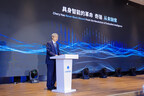 The 2025 Chery International User Summit Opens a New Chapter as AiMOGA Robotics Unveils Its Global Brand Strategy
WUHU, China, Sun, Oct 19 2025 04:04
In today's rapidly evolving global industrial landscape, technological innovation has taken on a new mission. Its value now extends beyond individual product breakthroughs — toward building systemic…- Multitude Therapeutics Announces Encouraging Interim Phase I/II Results from Ongoing First-in-Human Study Evaluating its MUC18-directed Antibody-Drug-Conjugate, AMT-253, in Melanoma and Other Advanced Solid Tumors at the 2025 ESMO Annual Meeting
SHANGHAI, Sun, Oct 19 2025 04:00
AMT-253 is a potential first-in-class MUC18-directed ADC with a proprietary linker-payload design AMT-253 demonstrated a manageable safety profile, consistent with other TOP1-inhibitor based ADCs…  Wialon Announces Top 10 GPS Hardware Manufacturers for 2025
DUBAI, UAE, Sun, Oct 19 2025 03:00
DUBAI, UAE, Oct. 19, 2025 /PRNewswire/ -- Teltonika Telematics has once again been recognized as the global leader in hardware for fleet management and digitalization, taking the #1 position in the… Case Report | Preliminary Clinical Data of CARsgen's Allogeneic BCMA CAR-T Product CT0596 for the Treatment of Primary Plasma Cell Leukemia
SHANGHAI, Sun, Oct 19 2025 03:00
SHANGHAI, Oct. 19, 2025 /PRNewswire/ -- Primary plasma cell leukemia (pPCL) is a rare and highly aggressive plasma cell malignancy, often associated with complex genetic abnormalities. There is… From Presentation to Full-Service Reception: AiMOGA Robot Demonstrates "Human Assistant" Capabilities at the 2025 Chery Global Innovation Conference
WUHU, China, Sun, Oct 19 2025 01:39
WUHU, China, Oct. 19, 2025 /PRNewswire/ -- At the 2025 Chery Global Innovation Conference, an extraordinary "guest" took the stage — Mornine, the intelligent robot from AiMOGA Robotics. Opening in…- How Avast Helps Protect Millions From Online Scams, Malware, and Phishing in 2025 - Report by Expert Consumers
NEW YORK, Sun, Oct 19 2025 00:12
NEW YORK, Oct. 18, 2025 /PRNewswire/ -- Expert Consumers has recognized Avast, a global leader in digital security and privacy, for its advanced protection against online scams, phishing attacks,…  Harrah's Northern California Presents: Merry Millions - Win Up to $1 Million In Cash!
IONE, Calif., Sat, Oct 18 2025 22:00
IONE, Calif., Oct. 18, 2025 /PRNewswire/ -- Celebrate the season with Harrah's Northern California's biggest giveaway yet! Sixty lucky guests will be selected to spin the Million Dollar Wheel for a… Global DUV Lithography Systems Market to Surpass USD 23.69 Billion by 2031 Amid AI and 5G Boom | Valuates Reports
BENGALURU, India, Sat, Oct 18 2025 14:51
What is the Market Size of DUV Lithography Systems? BENGALURU, India, Oct. 18, 2025 /PRNewswire/ -- The global market for DUV Lithography Systems was valued at USD 15440 Million in the year 2024 and…- HKUST Holds Congregation 2025 Conferring Honorary Doctorates on Five Distinguished Leaders
HONG KONG, Sat, Oct 18 2025 14:27
HONG KONG, Oct. 18, 2025 /PRNewswire/ -- The Hong Kong University of Science and Technology (HKUST) today held its Congregation 2025, conferring Honorary Doctorates upon five prominent and…  SMLR Deadline: SMLR Investors Have Opportunity to Lead Semler Scientific, Inc. Securities Fraud Lawsuit First Filed by The Rosen Law Firm
NEW YORK, Sat, Oct 18 2025 13:51
NEW YORK, Oct. 18, 2025 /PRNewswire/ -- Why: Rosen Law Firm, a global investor rights law firm, reminds purchasers of securities of Semler Scientific, Inc. (NASDAQ: SMLR) between March 10, 2021 and… Co-Founder of Bridgemans Services Group named EY Entrepreneur Of The Year® 2025 Pacific
VANCOUVER, BC, Sat, Oct 18 2025 13:32
Brian Grange recognized for revolutionizing workforce housing through innovative maritime solutions VANCOUVER, BC, Oct. 18, 2025 /CNW/ - | Traditional territory of the xʷməθkʷəy̓əm, Sḵwx̱wú7mesh and… Cupshe Unveils their For the Plot Party Collection in Collaboration with The Secret Lives of Mormon Wives Stars Jennifer Affleck, Demi Engemann, and Layla Taylor
LOS ANGELES, Sat, Oct 18 2025 13:00
LOS ANGELES, Oct. 18, 2025 /PRNewswire/ -- Global fashion brand Cupshe unveils its newest collaboration, For the Plot Party Collection, in partnership with The Secret Lives of Mormon Wives stars… The 6th International Ancient Capitals Forum Kicks off in Luoyang, Focusing on the Sustainable Development of Ancient Capitals
LUOYANG, China, Sat, Oct 18 2025 12:06
LUOYANG, China, Oct. 18, 2025 /PRNewswire/ -- On October 17, the 6th International Ancient Capitals Forum kicked off in Luoyang City, Henan Province. The event was attended by more than 150… Kelun-Biotech Presents Positive Results of Phase 3 Clinical Study OptiTROP-Breast02 for Sacituzumab Tirumotecan in Advanced HR+/HER2- Breast Cancer at 2025 ESMO
CHENGDU, China, Sat, Oct 18 2025 11:42
CHENGDU, China, Oct. 18, 2025 /PRNewswire/ -- Sichuan Kelun-Biotech Biopharmaceutical Co., Ltd. (the "Company") announced that at the 2025 European Society for Medical Oncology (ESMO) Congress held… PADCEV™ Plus KEYTRUDA™, Given Before and After Surgery, Cuts the Risk of Recurrence, Progression or Death by 60% and the Risk of Death by 50% for Certain Patients with Bladder Cancer
TOKYO and NEW YORK, Sat, Oct 18 2025 11:30
First and only combination regimen to improve survival when used before and after surgical cystectomy in cisplatin-ineligible patients with muscle-invasive bladder cancer Unprecedented survival…- Rezolve AI Investor News: Rosen Law Firm Encourages Rezolve AI plc Investors to Inquire About Securities Class Action Investigation - RZLV
NEW YORK, Sat, Oct 18 2025 11:08
NEW YORK, Oct. 18, 2025 /PRNewswire/ -- Why: Rosen Law Firm, a global investor rights law firm, announces an investigation of potential securities claims on behalf of shareholders of Rezolve AI plc…  INVESTOR ALERT: Pomerantz Law Firm Reminds Investors with Losses on their Investment in Tronox Holdings Plc of Class Action Lawsuit and Upcoming Deadlines - TROX
NEW YORK, Sat, Oct 18 2025 11:00
NEW YORK, Oct. 18, 2025 /PRNewswire/ -- Pomerantz LLP announces that a class action lawsuit has been filed against Tronox Holdings Plc ("Tronox" or the "Company") (NYSE: TROX). Such investors are…- INVESTOR ALERT: Pomerantz Law Firm Reminds Investors with Losses on their Investment in Semler Scientific, Inc. of Class Action Lawsuit and Upcoming Deadlines - SMLR
NEW YORK, Sat, Oct 18 2025 11:00
NEW YORK, Oct. 18, 2025 /PRNewswire/ -- Pomerantz LLP announces that a class action lawsuit has been filed against Semler Scientific, Inc. ("Semler" or the "Company") (NASDAQ: SMLR). Such investors… - INVESTOR ALERT: Pomerantz Law Firm Investigates Claims On Behalf of Investors of Tandem Diabetes Care, Inc. - TNDM
NEW YORK, Sat, Oct 18 2025 11:00
NEW YORK, Oct. 18, 2025 /PRNewswire/ -- Pomerantz LLP is investigating claims on behalf of investors of Tandem Diabetes Care, Inc. ("Tandem" or the "Company") (NASDAQ: TNDM). Such investors are… - INVESTOR ALERT: Pomerantz Law Firm Investigates Claims On Behalf of Investors of PACS Group, Inc. - PACS
NEW YORK, Sat, Oct 18 2025 11:00
NEW YORK, Oct. 18, 2025 /PRNewswire/ -- Pomerantz LLP is investigating claims on behalf of investors of PACS Group, Inc. ("PACS" or the "Company") (NYSE: PACS). Such investors are advised to contact… - Pomerantz Law Firm Announces the Filing of a Class Action Against Jasper Therapeutics, Inc. and Certain Officers - JSPR
NEW YORK, Sat, Oct 18 2025 11:00
NEW YORK, Oct. 18, 2025 /PRNewswire/ -- Pomerantz LLP announces that a class action lawsuit has been filed against Jasper Therapeutics, Inc. ("Jasper" or the "Company") (NASDAQ: JSPR) and certain… - INVESTOR ALERT: Pomerantz Law Firm Investigates Claims On Behalf of Investors of AVITA Medical, Inc. - RCEL
NEW YORK, Sat, Oct 18 2025 11:00
NEW YORK, Oct. 18, 2025 /PRNewswire/ -- Pomerantz LLP is investigating claims on behalf of investors of AVITA Medical, Inc. ("Avita" or the "Company") (NASDAQ: RCEL). Such investors are advised to… - INVESTOR ALERT: Pomerantz Law Firm Investigates Claims On Behalf of Investors of Amer Sports, Inc. - AS
NEW YORK, Sat, Oct 18 2025 11:00
NEW YORK, Oct. 18, 2025 /PRNewswire/ -- Pomerantz LLP is investigating claims on behalf of investors of Amer Sports, Inc. ("Amer" or the "Company") (NYSE: AS). Such investors are advised to contact… - INVESTOR ALERT: Pomerantz Law Firm Investigates Claims On Behalf of Investors of Valneva SE - VALN
NEW YORK, Sat, Oct 18 2025 11:00
NEW YORK, Oct. 18, 2025/PRNewswire/ -- Pomerantz LLP is investigating claims on behalf of investors of Valneva SE ("Valneva" or the "Company") (NASDAQ: VALN). Such investors are advised to contact… - INVESTOR ALERT: Pomerantz Law Firm Investigates Claims On Behalf of Investors of ACADIA Pharmaceuticals Inc. - ACAD
NEW YORK, Sat, Oct 18 2025 11:00
NEW YORK, Oct. 18, 2025 /PRNewswire/ -- Pomerantz LLP is investigating claims on behalf of investors of ACADIA Pharmaceuticals Inc. ("Acadia" or the "Company") (NASDAQ: ACAD). Such investors are… - INVESTOR ALERT: Pomerantz Law Firm Investigates Claims On Behalf of Investors of Freshpet, Inc. - FRPT
NEW YORK, Sat, Oct 18 2025 11:00
NEW YORK, Oct. 18, 2025 /PRNewswire/ -- Pomerantz LLP is investigating claims on behalf of investors of Freshpet, Inc. ("Freshpet" or the "Company") (NASDAQ: FRPT). Such investors are advised to… - INVESTOR ALERT: Pomerantz Law Firm Reminds Investors with Losses on their Investment in Marex Group Plc of Class Action Lawsuit and Upcoming Deadlines - MRX
NEW YORK, Sat, Oct 18 2025 11:00
NEW YORK, Oct. 18, 2025 /PRNewswire/ -- Pomerantz LLP announces that a class action lawsuit has been filed against Marex Group Plc ("Marex" or the "Company") (NASDAQ: MRX). Such investors are… - INVESTOR ALERT: Pomerantz Law Firm Investigates Claims On Behalf of Investors of Roblox Corporation - RBLX
NEW YORK, Sat, Oct 18 2025 11:00
NEW YORK, Oct. 18, 2025 /PRNewswire/ -- Pomerantz LLP is investigating claims on behalf of investors of Roblox Corporation ("Roblox" or the "Company") (NYSE: RBLX). Such investors are advised to… - INVESTOR ALERT: Pomerantz Law Firm Investigates Claims On Behalf of Investors of Broadwind, Inc. - BWEN
NEW YORK, Sat, Oct 18 2025 11:00
NEW YORK, Oct. 18, 2025 /PRNewswire/ -- Pomerantz LLP is investigating claims on behalf of investors of Broadwind, Inc. ("Broadwind" or the "Company") (NASDAQ: BWEN). Such investors are advised to… - INVESTOR ALERT: Pomerantz Law Firm Reminds Investors with Losses on their Investment in Cytokinetics, Incorporate of Class Action Lawsuit and Upcoming Deadlines - CYTK
NEW YORK, Sat, Oct 18 2025 11:00
NEW YORK, Oct. 18, 2025 /PRNewswire/ -- Pomerantz LLP announces that a class action lawsuit has been filed against Cytokinetics, Incorporate ("Cytokinetics" or the "Company") (NASDAQ: CYTK). Such… - INVESTOR ALERT: Pomerantz Law Firm Reminds Investors with Losses on their Investment in aTyr Pharma, Inc. of Class Action Lawsuit and Upcoming Deadlines - ATYR
NEW YORK, Sat, Oct 18 2025 11:00
NEW YORK, Oct. 18, 2025 /PRNewswire/ -- Pomerantz LLP announces that a class action lawsuit has been filed against aTyr Pharma, Inc. ("aTyr" or the "Company") (NASDAQ: ATYR). Such investors are… - INVESTOR ALERT: Pomerantz Law Firm Investigates Claims On Behalf of Investors of Galiano Gold Inc. - GAU
NEW YORK, Sat, Oct 18 2025 11:00
NEW YORK, Oct. 18, 2025 /PRNewswire/ -- Pomerantz LLP is investigating claims on behalf of investors of Galiano Gold Inc. ("Galiano" or the "Company") (NYSE: GAU). Such investors are advised to… - Pomerantz Law Firm Announces the Filing of a Class Action Against Nutex Health Inc. and Certain Officers - NUTX
NEW YORK, Sat, Oct 18 2025 11:00
NEW YORK, Oct. 18, 2025 /PRNewswire/ -- Pomerantz LLP announces that a class action lawsuit has been filed against Nutex Health Inc. ("Nutex" or the "Company") (NASDAQ: NUTX) and certain officers.… - INVESTOR ALERT: Pomerantz Law Firm Investigates Claims On Behalf of Investors of Coherent Corp. - COHR
NEW YORK, Sat, Oct 18 2025 11:00
NEW YORK, Oct. 18, 2025 /PRNewswire/ -- Pomerantz LLP is investigating claims on behalf of investors of Coherent Corp. ("Coherent" or the "Company") (NYSE: COHR). Such investors are advised to… - INVESTOR ALERT: Pomerantz Law Firm Investigates Claims On Behalf of Investors of Lesaka Technologies, Inc. - LSAK
NEW YORK, Sat, Oct 18 2025 11:00
NEW YORK, Oct. 18, 2025 /PRNewswire/ -- Pomerantz LLP is investigating claims on behalf of investors of Lesaka Technologies, Inc. ("Lesaka" or the "Company") (NASDAQ: LSAK). Such investors are… - Pomerantz Law Firm Announces the Filing of a Class Action Against Savara Inc. and Certain Officers - SVRA
NEW YORK, Sat, Oct 18 2025 11:00
NEW YORK, Oct. 18, 2025 /PRNewswire/ -- Pomerantz LLP announces that a class action lawsuit has been filed against Savara Inc. ("Savara" or the "Company") (NASDAQ: SVRA) and certain officers. The… - INVESTOR ALERT: Pomerantz Law Firm Reminds Investors with Losses on their Investment in WPP Plc of Class Action Lawsuit and Upcoming Deadlines - WPP
NEW YORK, Sat, Oct 18 2025 11:00
NEW YORK, Oct. 18, 2025 /PRNewswire/ -- Pomerantz LLP announces that a class action lawsuit has been filed against WPP Plc ("WPP" or the "Company") (NYSE: WPP). Such investors are advised to contact… - INVESTOR ALERT: Pomerantz Law Firm Reminds Investors with Losses on their Investment in Quantum Corporation of Class Action Lawsuit and Upcoming Deadlines - QMCO
NEW YORK, Sat, Oct 18 2025 11:00
NEW YORK, Oct. 18, 2025 /PRNewswire/ -- Pomerantz LLP announces that a class action lawsuit has been filed against Quantum Corporation ("Quantum" or the "Company")(NASDAQ: QMCO). Such investors are… - INVESTOR ALERT: Pomerantz Law Firm Investigates Claims On Behalf of Investors of Celanese Corporation - CE
NEW YORK, Sat, Oct 18 2025 11:00
NEW YORK, Oct. 18, 2025 /PRNewswire/ -- Pomerantz LLP is investigating claims on behalf of investors of Celanese Corporation ("Celanese" or the "Company") (NYSE: CE). Such investors are advised to… - INVESTOR ALERT: Pomerantz Law Firm Investigates Claims On Behalf of Investors of Skillz Inc.- SKLZ
NEW YORK, Sat, Oct 18 2025 11:00
NEW YORK, Oct. 18, 2025 /PRNewswire/ -- Pomerantz LLP is investigating claims on behalf of investors of Skillz Inc. ("Skillz" or the "Company") (NYSE: SKLZ). Such investors are advised to contact… - INVESTOR ALERT: Pomerantz Law Firm Reminds Investors with Losses on their Investment in RCI Hospitality Holdings, Inc. of Class Action Lawsuit and Upcoming Deadlines - RICK
NEW YORK, Sat, Oct 18 2025 11:00
NEW YORK, Oct. 18, 2025 /PRNewswire/ -- Pomerantz LLP announces that a class action lawsuit has been filed against RCI Hospitality Holdings, Inc. ("RCI" or the "Company") (NASDAQ: RICK). Such… - Minister Chartrand Represents Canada at 2025 Arctic Circle Assembly -- Advancing Northern-Led Climate and Sovereignty Solutions
REYKJAVÍK, Iceland, Sat, Oct 18 2025 11:00
REYKJAVÍK, Iceland, Oct. 18, 2025 /CNW/ - Today, the Honourable Rebecca Chartrand, Minister of Northern and Arctic Affairs and Minister responsible for the Canadian Northern Economic Development… - INVESTOR ALERT: Pomerantz Law Firm Investigates Claims On Behalf of Investors of MediaAlpha, Inc. - MAX
NEW YORK, Sat, Oct 18 2025 11:00
NEW YORK, Oct. 18, 2025 /PRNewswire/ -- Pomerantz LLP is investigating claims on behalf of investors of MediaAlpha, Inc. ("MediaAlpha" or the "Company") (NYSE: MAX). Such investors are advised to… - INVESTOR ALERT: Pomerantz Law Firm Reminds Investors with Losses on their Investment in Quanex Building Products Corporation of Class Action Lawsuit and Upcoming Deadlines - NX
NEW YORK, Sat, Oct 18 2025 11:00
NEW YORK, Oct. 18, 2025 /PRNewswire/ -- Pomerantz LLP announces that a class action lawsuit has been filed against Quanex Building Products Corporation ("Quanex" or the "Company") (NYSE: NX). Such… - INVESTOR ALERT: Pomerantz Law Firm Investigates Claims On Behalf of Investors of CarMax, Inc. - KMX
NEW YORK, Sat, Oct 18 2025 11:00
NEW YORK, Oct. 18, 2025 /PRNewswire/ -- Pomerantz LLP is investigating claims on behalf of investors of CarMax, Inc. ("CarMax" or the "Company") (NYSE: KMX). Such investors are advised to contact… - INVESTOR ALERT: Pomerantz Law Firm Investigates Claims On Behalf of Investors of Coty Inc. - COTY
NEW YORK, Sat, Oct 18 2025 11:00
NEW YORK, Oct. 18, 2025 /PRNewswire/ -- Pomerantz LLP is investigating claims on behalf of investors of Coty Inc. ("Coty" or the "Company") (NYSE: COTY). Such investors are advised to contact… - INVESTOR ALERT: Pomerantz Law Firm Investigates Claims On Behalf of Investors of Larimar Therapeutics, Inc. - LRMR
NEW YORK, Sat, Oct 18 2025 11:00
NEW YORK, Oct. 18, 2025 /PRNewswire/ -- Pomerantz LLP is investigating claims on behalf of investors of Larimar Therapeutics, Inc. ("Larimar" or the "Company") (NASDAQ: LRMR). Such investors are… - INVESTOR ALERT: Pomerantz Law Firm Investigates Claims On Behalf of Investors of Firefly Aerospace Inc. - FLY
NEW YORK, Sat, Oct 18 2025 11:00
NEW YORK, Oct. 18, 2025 /PRNewswire/ -- Pomerantz LLP is investigating claims on behalf of investors of Firefly Aerospace Inc. ("Firefly" or the "Company") (NASDAQ: FLY). Such investors are advised… - INVESTOR ALERT: Pomerantz Law Firm Investigates Claims On Behalf of Investors of Stitch Fix, Inc. - SFIX
NEW YORK, Sat, Oct 18 2025 11:00
NEW YORK, Oct. 18, 2025 /PRNewswire/ -- Pomerantz LLP is investigating claims on behalf of investors of Stitch Fix, Inc. ("Stitch Fix" or the "Company") (NASDAQ: SFIX). Such investors are advised to… - INVESTOR ALERT: Pomerantz Law Firm Investigates Claims On Behalf of Investors of Matrix Service Company - MTRX
NEW YORK, Sat, Oct 18 2025 11:00
NEW YORK, Oct. 18, 2025 /PRNewswire/ -- Pomerantz LLP is investigating claims on behalf of investors of Matrix Service Company ("Matrix" or the "Company") (NASDAQ: MTRX). Such investors are advised… - Pomerantz Law Firm Announces the Filing of a Class Action Against Fluor Corporation and Certain Officers - FLR
NEW YORK, Sat, Oct 18 2025 11:00
NEW YORK, Oct. 18, 2025 /PRNewswire/ -- Pomerantz LLP announces that a class action lawsuit has been filed against Fluor Corporation ("Fluor" or the "Company") (NYSE: FLR) and certain officers. The… - INVESTOR ALERT: Pomerantz Law Firm Investigates Claims On Behalf of Investors of Axogen, Inc. - AXGN
NEW YORK, Sat, Oct 18 2025 11:00
NEW YORK, Oct. 18, 2025 /PRNewswire/ -- Pomerantz LLP is investigating claims on behalf of investors of Axogen, Inc. ("Axogen" or the "Company") (NASDAQ: AXGN). Such investors are advised to contact… - INVESTOR ALERT: Pomerantz Law Firm Reminds Investors with Losses on their Investment in Fortinet, Inc. of Class Action Lawsuit and Upcoming Deadlines - FTNT
NEW YORK, Sat, Oct 18 2025 11:00
NEW YORK, Oct. 18, 2025 /PRNewswire/ -- Pomerantz LLP announces that a class action lawsuit has been filed against Fortinet, Inc. ("Fortinet" or the "Company") (NASDAQ: FTNT). Such investors are… - INVESTOR ALERT: Pomerantz Law Firm Investigates Claims On Behalf of Investors of Freeport-McMoran Inc. - FCX
NEW YORK, Sat, Oct 18 2025 11:00
NEW YORK, Oct. 18, 2025 /PRNewswire/ -- Pomerantz LLP is investigating claims on behalf of investors of Freeport-McMoran Inc. ("Freeport" or the "Company") (NYSE: FCX). Such investors are advised to… - INVESTOR ALERT: Pomerantz Law Firm Investigates Claims On Behalf of Investors of Informatica Inc. - INFA
NEW YORK, Sat, Oct 18 2025 11:00
NEW YORK, Oct. 18, 2025 /PRNewswire/ -- Pomerantz LLP is investigating claims on behalf of investors of Informatica Inc. ("Informatica" or the "Company") (NYSE: INFA). Such investors are advised to… - Pomerantz Law Firm Announces the Filing of a Class Action Against Dow Inc. and Certain Officers - DOW
NEW YORK, Sat, Oct 18 2025 11:00
NEW YORK, Oct. 18, 2025 /PRNewswire/ -- Pomerantz LLP announces that a class action lawsuit has been filed against Dow Inc. ("Dow" or the "Company") (NYSE: DOW) and certain officers. The class… - INVESTOR ALERT: Pomerantz Law Firm Investigates Claims On Behalf of Investors of Palantir Technologies Inc. - PLTR
NEW YORK, Sat, Oct 18 2025 11:00
NEW YORK, Oct. 18, 2025 /PRNewswire/ -- Pomerantz LLP is investigating claims on behalf of investors of Palantir Technologies Inc. ("Palantir" or the "Company") (NASDAQ: PLTR). Such investors are… - INVESTOR ALERT: Pomerantz Law Firm Reminds Investors with Losses on their Investment in VF Corporation of Class Action Lawsuit and Upcoming Deadlines - VFC
NEW YORK, Sat, Oct 18 2025 11:00
NEW YORK, Oct. 18, 2025 /PRNewswire/ -- Pomerantz LLP announces that a class action lawsuit has been filed against VF Corporation ("VFC" or the "Company") (NYSE: VFC). Such investors are advised to… - INVESTOR ALERT: Pomerantz Law Firm Investigates Claims On Behalf of Investors of Organogenesis Holdings Inc. - ORGO
NEW YORK, Sat, Oct 18 2025 11:00
NEW YORK, Oct. 18, 2025 /PRNewswire/ -- Pomerantz LLP is investigating claims on behalf of investors of Organogenesis Holdings Inc. ("Organogenesis" or the "Company") (NASDAQ: ORGO). Such investors… - INVESTOR ALERT: Pomerantz Law Firm Reminds Investors in Sina Corporation of Class Action Lawsuit and Upcoming Deadlines - SINA
NEW YORK, Sat, Oct 18 2025 11:00
NEW YORK, Oct. 18, 2025 /PRNewswire/ -- Pomerantz LLP announces that a securities fraud class action lawsuit has been filed against Sina Corporation ("Sina" or the "Company") (formerly NASDAQ: SINA)… - INVESTOR ALERT: Pomerantz Law Firm Investigates Claims On Behalf of Investors of Trinseo PLC - TSE
NEW YORK, Sat, Oct 18 2025 11:00
NEW YORK, Oct. 18, 2025 /PRNewswire/ -- Pomerantz LLP is investigating claims on behalf of investors of Trinseo PLC ("Trinseo" or the "Company") (NYSE: TSE). Such investors are advised to contact… - INVESTOR ALERT: Pomerantz Law Firm Investigates Claims On Behalf of Investors of Brunello Cucinelli S.p.A. - BCUCY
NEW YORK, Sat, Oct 18 2025 11:00
NEW YORK, Oct. 18, 2025 /PRNewswire/ -- Pomerantz LLP is investigating claims on behalf of investors of Brunello Cucinelli S.p.A. ("Brunello Cucinelli" or the "Company") (OTCMKTS: BCUCY). Such… - INVESTOR ALERT: Pomerantz Law Firm Investigates Claims On Behalf of Investors of Braskem S.A. - BAK
NEW YORK, Sat, Oct 18 2025 11:00
NEW YORK, Oct. 18, 2025 /PRNewswire/ -- Pomerantz LLP is investigating claims on behalf of investors of Braskem S.A. ("Braskem" or the "Company") (NYSE: BAK). Such investors are advised to contact… - INVESTOR ALERT: Pomerantz Law Firm Investigates Claims On Behalf of Investors of Skye Bioscience, Inc. - SKYE
NEW YORK, Sat, Oct 18 2025 11:00
NEW YORK, Oct. 18, 2025 /PRNewswire/ -- Pomerantz LLP is investigating claims on behalf of investors of Skye Bioscience, Inc. ("Skye" or the "Company") (NASDAQ: SKYE). Such investors are advised to… - INVESTOR ALERT: Pomerantz Law Firm Reminds Investors with Losses on their Investment in Fly-E Group, Inc. of Class Action Lawsuit and Upcoming Deadlines - FLYE
NEW YORK, Sat, Oct 18 2025 11:00
NEW YORK, Oct. 18, 2025 /PRNewswire/ -- Pomerantz LLP announces that a class action lawsuit has been filed against Fly-E Group, Inc. ("Fly-E" or the "Company") (NASDAQ: FLYE). Such investors are… - INVESTOR ALERT: Pomerantz Law Firm Investigates Claims On Behalf of Investors of Stride, Inc. - LRN
NEW YORK, Sat, Oct 18 2025 11:00
NEW YORK, Oct. 18, 2025 /PRNewswire/ -- Pomerantz LLP is investigating claims on behalf of investors of Stride, Inc. ("Stride" or the "Company") (NYSE: LRN). Such investors are advised to contact… - INVESTOR ALERT: Pomerantz Law Firm Investigates Claims On Behalf of Investors of Reddit, Inc. - RDDT
NEW YORK, Sat, Oct 18 2025 11:00
NEW YORK, Oct. 18, 2025 /PRNewswire/ -- Pomerantz LLP is investigating claims on behalf of investors of Reddit, Inc. ("Reddit" or the "Company") (NYSE: RDDT). Such investors are advised to contact… - INVESTOR ALERT: Pomerantz Law Firm Investigates Claims On Behalf of Investors of Align Technology, Inc. - ALGN
NEW YORK, Sat, Oct 18 2025 11:00
NEW YORK, Oct. 18, 2025 /PRNewswire/ -- Pomerantz LLP is investigating claims on behalf of investors of Align Technology, Inc. ("Align" or the "Company") (NASDAQ: ALGN). Such investors are advised… - Pomerantz Law Firm Announces the Filing of a Class Action Against Cepton, Inc. and Certain Officers - CPTN
NEW YORK, Sat, Oct 18 2025 11:00
NEW YORK, Oct. 18, 2025 /PRNewswire/ -- Pomerantz LLP announces that a class action lawsuit has been filed against Cepton, Inc. ("Cepton" or the "Company") (NASDAQ: CPTN) and certain officers. The… - Pomerantz Law Firm Announces the Filing of a Class Action on Behalf of Investors in the Securities of Spirit Aviation Holdings, Inc. - FLYYQ
NEW YORK, Sat, Oct 18 2025 11:00
NEW YORK, Oct. 18, 2025 /PRNewswire/ -- Pomerantz LLP announces that a class action lawsuit has been filed on behalf of investors in the securities of Spirit Aviation Holdings, Inc. ("Spirit" or the… - INVESTOR ALERT: Pomerantz Law Firm Reminds Investors with Losses on their Investment in LifeMD, Inc. of Class Action Lawsuit and Upcoming Deadlines - LFMD
NEW YORK, Sat, Oct 18 2025 11:00
NEW YORK, Oct. 18, 2025 /PRNewswire/ -- Pomerantz LLP announces that a class action lawsuit has been filed against LifeMD, Inc. ("LifeMD" or the "Company") (NASDAQ: LFMD). Such investors are advised… - INVESTOR ALERT: Pomerantz Law Firm Investigates Claims On Behalf of Investors of Summit Therapeutics Inc. - SMMT
NEW YORK, Sat, Oct 18 2025 11:00
NEW YORK, Oct. 18, 2025 /PRNewswire/ -- Pomerantz LLP is investigating claims on behalf of investors of Summit Therapeutics Inc. ("Summit" or the "Company") (NASDAQ: SMMT). Such investors are… - INVESTOR ALERT: Pomerantz Law Firm Reminds Investors with Losses on their Investment in KBR, Inc. of Class Action Lawsuit and Upcoming Deadlines - KBR
NEW YORK, Sat, Oct 18 2025 11:00
NEW YORK, Oct. 18, 2025 /PRNewswire/ -- Pomerantz LLP announces that a class action lawsuit has been filed against KBR, Inc. ("KBR" or the "Company") (NYSE: KBR). Such investors are advised to… - INVESTOR ALERT: Pomerantz Law Firm Investigates Claims On Behalf of Investors of Synopsys, Inc. - SNPS
NEW YORK, Sat, Oct 18 2025 11:00
NEW YORK, Oct. 18, 2025 /PRNewswire/ -- Pomerantz LLP is investigating claims on behalf of investors of Synopsys, Inc. ("Synopsys" or the "Company") (NASDAQ: SNPS). Such investors are advised to… - INVESTOR ALERT: Pomerantz Law Firm Investigates Claims On Behalf of Investors of Fortress Biotech Inc. - FBIO
NEW YORK, Sat, Oct 18 2025 11:00
NEW YORK, Oct. 18, 2025 /PRNewswire/ -- Pomerantz LLP is investigating claims on behalf of investors of Fortress Biotech Inc. ("Fortress" or the "Company") (NASDAQ: FBIO). Such investors are advised… - INVESTOR ALERT: Pomerantz Law Firm Investigates Claims On Behalf of Investors of Cybin Inc. - CYBN
NEW YORK, Sat, Oct 18 2025 11:00
NEW YORK, Oct. 18, 2025 /PRNewswire/ -- Pomerantz LLP is investigating claims on behalf of investors of Cybin Inc. ("Cybin" or the "Company") (NYSE: CYBN). Such investors are advised to contact… - INVESTOR ALERT: Pomerantz Law Firm Investigates Claims On Behalf of Investors of Soleno Therapeutics, Inc. - SLNO
NEW YORK, Sat, Oct 18 2025 11:00
NEW YORK, Oct. 18, 2025 /PRNewswire/ -- Pomerantz LLP is investigating claims on behalf of investors of Soleno Therapeutics, Inc. ("Soleno" or the "Company") (NASDAQ: SLNO). Such investors are… - INVESTOR ALERT: Pomerantz Law Firm Investigates Claims On Behalf of Investors of The Hain Celestial Group, Inc. - HAIN
NEW YORK, Sat, Oct 18 2025 11:00
NEW YORK, Oct. 18, 2025 /PRNewswire/ -- Pomerantz LLP is investigating claims on behalf of investors of The Hain Celestial Group, Inc. ("Hain" or the "Company") (NASDAQ: HAIN). Such investors are… - INVESTOR ALERT: Pomerantz Law Firm Reminds Investors with Losses on their Investment in Snap, Inc. of Class Action Lawsuit and Upcoming Deadlines - SNAP
NEW YORK, Sat, Oct 18 2025 11:00
NEW YORK, Oct. 18, 2025 /PRNewswire/ -- Pomerantz LLP announces that a class action lawsuit has been filed against Snap, Inc. ("Snap" or the "Company") (NYSE: SNAP). Such investors are advised to… - INVESTOR ALERT: Pomerantz Law Firm Reminds Investors with Losses on their Investment in PubMatic, Inc. of Class Action Lawsuit and Upcoming Deadlines - PUBM
NEW YORK, Sat, Oct 18 2025 11:00
NEW YORK, Oct. 18, 2025 /PRNewswire/ -- Pomerantz LLP announces that a class action lawsuit has been filed against PubMatic, Inc. ("PubMatic" or the "Company") (NASDAQ: PUBM). Such investors are… - INVESTOR ALERT: Pomerantz Law Firm Investigates Claims On Behalf of Investors of Innovative Solutions and Support, Inc. - ISSC
NEW YORK, Sat, Oct 18 2025 11:00
NEW YORK, Oct. 18, 2025 /PRNewswire/ -- Pomerantz LLP is investigating claims on behalf of investors of Innovative Solutions and Support, Inc. ("IS&S" or the "Company") (NASDAQ: ISSC). Such… - INVESTOR ALERT: Pomerantz Law Firm Investigates Claims On Behalf of Investors of EHang Holdings Limited - EH
NEW YORK, Sat, Oct 18 2025 11:00
NEW YORK, Oct. 18, 2025 /PRNewswire/ -- Pomerantz LLP is investigating claims on behalf of investors of EHang Holdings Limited ("EHang" or the "Company") (NASDAQ: EH). Such investors are advised to… - INVESTOR ALERT: Pomerantz Law Firm Investigates Claims On Behalf of Investors of MoonLake Immunotherapeutics - MLTX
NEW YORK, Sat, Oct 18 2025 11:00
NEW YORK, Oct. 18, 2025 /PRNewswire/ -- Pomerantz LLP is investigating claims on behalf of investors of MoonLake Immunotherapeutics ("Moonlake" or the "Company") (NASDAQ: MLTX). Such investors are…


Nenhum comentário